With Tashkent making last minute preparations for the Shanghai Cooperation Organization (SCO) summit on 23-24 June, Lord Venal came across this enlightening memo from his recent trip to Tajikistan.
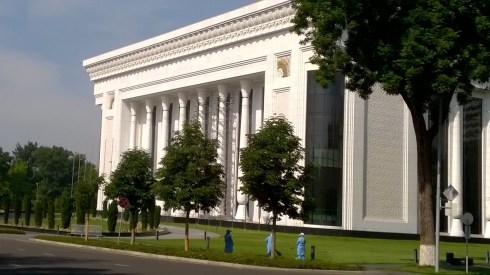
Tashkent: Sprucing up the Palace of Forums for the SCO summit
Having caught his breath after the crammed programme of his referendum monitoring visit to Dushanbe (frankly the hosts’ generosity – particularly with alcohol – left some parts of the programme rather a blur), Lord Venal found he must have somewhere picked up another interesting document.
This appears to be a proposed secret ban on a number of foreign films, which the SCO considers promote a “politically unhealthy attitude to elected leaders”. The document – which asks that the six member governments back the ban and implement it with no publicity – lists the first batch of what are likely to be a growing list of films, together with a brief description. It calls on the films to be banned from showing in cinemas and on television and blocked on the internet.
Lord Venal remembers seeing several of these at the Rutland Odeon when they first came out in the 1970s, and points out, with some modesty, that he was often told that he bore a passing resemblance to Edward Fox in his youth.
“Films to be banned from presentation (as of 12.04.2016):
October (USSR, 1928) – glorifies the violent overthrow of an established government and turns rebels into heroes.
The Great Dictator (USA, 1940) – encourages unhealthy ridicule of elected leaders and slander over their character and leadership.
Day of the Jackal (UK/France, 1973) – unacceptable presentation of the idea that assassinating an elected head of state is feasible or desirable.
All the President’s Men (USA, 1976) – encourages a cynical attitude to politics and applauds the removal from office of an elected leader.
Primary Colors (US, 1998) – normalises the concept that the outcome of an election could be uncertain.
Downfall (Germany, 2004) – its presentation of the psychological breakdown and encouragement to suicide of an elected head of state promotes an unhealthy attitude to political leadership.
Valkyrie (USA/Germany, 2008) – normalises for viewers the unacceptable idea that organising a coup and removing elected political leaders could be honourable.
Leviathan (Russia, 2014) – depicts an elected politician in an unfavourable light, thus breeding unhealthy cynicism among viewers.”
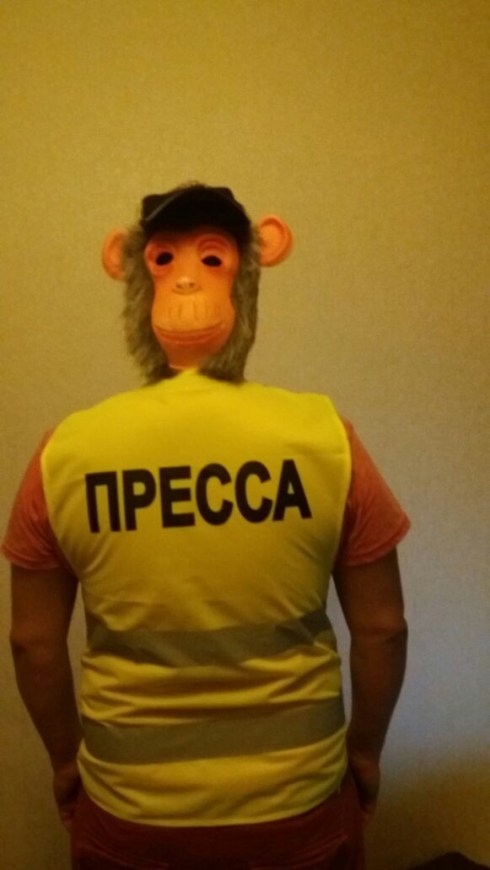
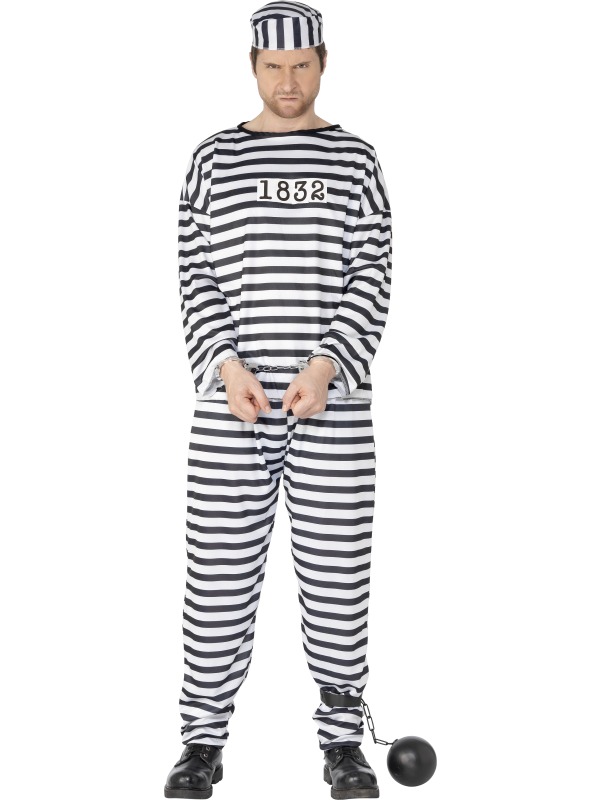
 Kazaxia